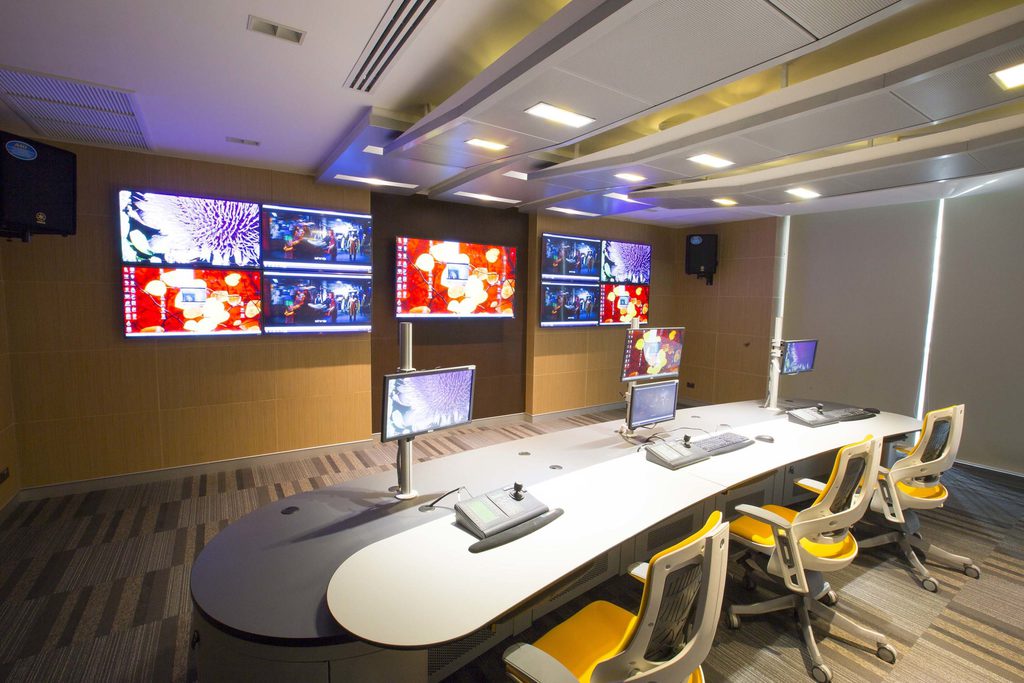
Workplace CCTV can support a safer, better-documented environment when it is designed for a clear business purpose and used responsibly. Cameras do not replace alarms, access control, staff procedures or good lighting. Instead, they add visibility and recorded information that can help an organization respond to incidents. Here are five practical advantages to consider before installing surveillance at an office, retail store, warehouse or other commercial property.
1. Better visibility of entry points and shared spaces
Positioning cameras at public entrances, reception desks, loading docks and key circulation areas can help managers understand when and where an incident occurred. Remote viewing may be useful for authorized personnel who oversee more than one location, provided the connection and user permissions are secured.
Coverage should follow a site survey. A camera mounted too high or facing strong backlight may show an event without capturing useful details.
2. Recorded evidence when incidents need review
Clear, time-stamped recordings can help reconstruct a theft, damage complaint, delivery dispute or safety incident. Footage may help internal teams and, where appropriate, authorities establish a timeline. It is not a guarantee that every event or identification will be captured.
Choose recording quality, camera angles and retention periods based on realistic incident-review needs. Test playback and exporting before relying on the system.
3. Support for safer operational procedures
Viewing footage of areas such as receiving bays, entrances or equipment access points can help a business investigate hazards, identify congested routes and assess whether physical security procedures are followed. Video should support, not substitute for, supervision, training and a proper safety program.
Avoid treating constant monitoring of employees as the default solution. Define who is authorized to review recordings and for what purpose.
4. Faster response to alerts and unusual activity
Many compatible systems support motion notifications, scheduled recording and remote access. Used together with an alarm or access-control system, video can help designated staff assess an alert before taking the next step.
False alerts are possible, especially around moving vegetation, reflections or busy areas. Adjust detection zones and notifications so the information remains useful rather than overwhelming.
5. A more consistent security record across locations
Organizations operating several sites may benefit from common camera placement standards, recorder settings, user roles and documented maintenance routines. Consistency makes it easier to train authorized staff and review footage when needed.
Before selecting equipment, confirm networking capacity, storage needs, support arrangements and whether footage will remain accessible during an internet outage.
Important privacy considerations
Commercial video surveillance should be proportionate to a legitimate purpose. Businesses should explain the use of cameras, avoid sensitive spaces such as washrooms and changing areas, limit access to recordings and define retention procedures in line with applicable privacy rules. The right approach depends on the workplace and jurisdiction.
Next steps
High-Tech Solutions Ltd. installs commercial security camera systems in Surrey and the Lower Mainland. For a practical plan, request a quote and include your business type, number of locations, key entrances and any existing camera equipment.